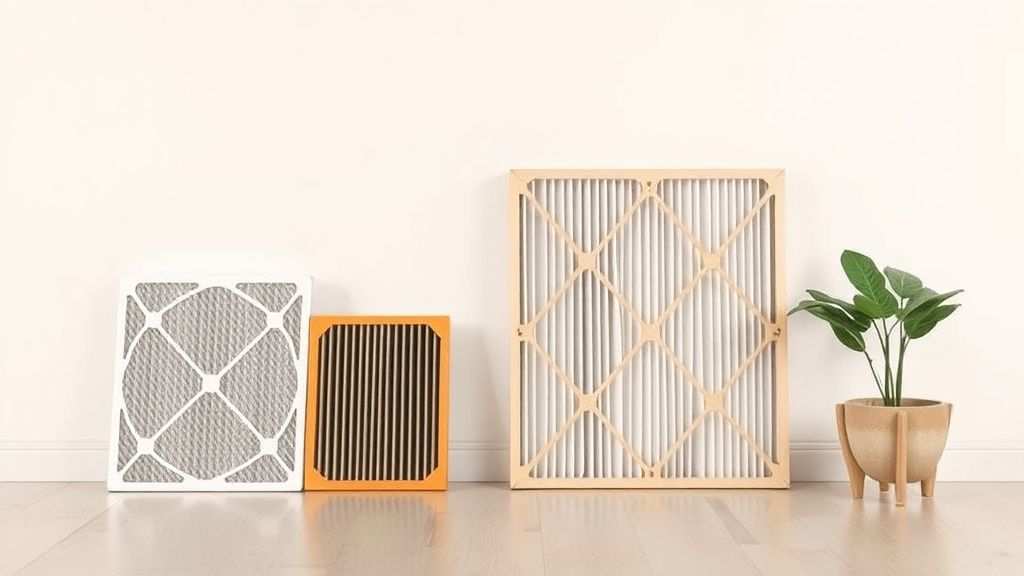
Understanding the Lifespan of Different Air Filter Types
Choosing the right air filter for your home is essential for maintaining good indoor air quality and ensuring your HVAC system runs efficiently. However, not all air filters last the same amount of time. The lifespan of an air filter depends on its type, material, MERV rating, and usage conditions. In this guide, we’ll break down the expected lifespans of common air filter types and explain how to maximize their effectiveness.
Fiberglass Air Filters
Phone cases · Sponsored · 15% off first order
Phone Case Gift — They pick the model · 2 minutes Code FIRST15GIFT
Fiberglass filters are the most basic and affordable type of HVAC filter. They consist of layered fiberglass fibers designed to capture large particles like dust and lint.
Lifespan
- 30 days or less – These filters have a short lifespan because they clog quickly and offer minimal filtration.
- Best for: Low-traffic homes with minimal air quality concerns.
What to Look For
- Check monthly and replace as soon as visible dirt accumulates.
- Not suitable for allergy sufferers or homes with pets.
Pleated Air Filters
Pleated filters are made from polyester or cotton folds, increasing their surface area for better particle capture. They come in various MERV ratings (typically 8-13).
Lifespan
- 60-90 days – Higher-quality pleated filters last longer due to their dense construction.
- Best for: Most households, including those with pets or mild allergies.
What to Look For
- Higher MERV ratings (11-13) trap smaller particles but may restrict airflow if not compatible with your HVAC system.
- Replace every 2-3 months, or sooner in high-pollution areas.
Electrostatic Air Filters
Phone cases · Sponsored · 15% off first order
Titan Case — Precision fit · 2,000+ designs Code FIRST15TIT
Electrostatic filters use self-charging fibers to attract and trap particles. They come in both disposable and washable versions.
Lifespan
- Disposable: 60-90 days (similar to pleated filters).
- Washable: 5-10 years with proper maintenance (monthly cleaning).
- Best for: Those looking for a reusable option or enhanced particle capture.
What to Look For
- Washable models require regular rinsing to maintain efficiency.
- Not all HVAC systems support electrostatic filters—check compatibility.
HEPA Filters
HEPA (High-Efficiency Particulate Air) filters are the gold standard for air purification, capturing 99.97% of particles as small as 0.3 microns.
Lifespan
- 6-12 months in standalone air purifiers.
- Not typically used in standard HVAC systems due to high airflow resistance.
- Best for: Allergy and asthma sufferers, or homes with severe air quality concerns.
What to Look For
- Only compatible with systems designed for HEPA filtration.
- Replacement costs can be higher than standard filters.
Activated Carbon Air Filters
Phone cases · Sponsored · 15% off first order
Phone Cases For Charity — Every case supports a cause Code GIVE10These filters use charcoal to absorb odors, gases, and VOCs (volatile organic compounds). Often combined with other filter media.
Lifespan
- 3-6 months – Carbon loses effectiveness over time as it becomes saturated.
- Best for: Homes with smoke, cooking odors, or chemical sensitivities.
What to Look For
- Look for a thick carbon layer for better absorption.
- Pair with a particulate filter (like a pleated or HEPA filter) for full air cleaning.
UV Air Filters
UV filters use ultraviolet light to kill mold, bacteria, and viruses. They are usually installed inside HVAC systems.
Lifespan
- UV bulbs: 9-14 months before needing replacement.
- Best for: Homes with mold issues or immune-compromised residents.
What to Look For
- Does not remove dust or particles—must be paired with another filter.
- Bulb replacement is necessary for continued effectiveness.
Factors That Affect Air Filter Lifespan
1. Usage Frequency
- Systems running constantly (e.g., in extreme climates) require more frequent filter changes.
2. Air Quality
- Homes with pets, smokers, or high pollen levels will clog filters faster.
3. MERV Rating
- Higher MERV filters trap more particles but may need replacing sooner.
4. HVAC System Compatibility
- Using a filter with too high a MERV rating can strain your system, reducing efficiency.
What to Look for When Choosing an Air Filter
- Check your HVAC manual for recommended filter types and MERV ratings.
- Consider your air quality needs – Allergy sufferers may need HEPA or high-MERV filters.
- Balance cost and lifespan – Washable filters save money long-term but require upkeep.
- Monitor filter condition – Replace when visibly dirty or airflow decreases.
Conclusion
The lifespan of an air filter varies widely depending on its type and your home’s specific conditions. Fiberglass filters may need monthly replacement, while washable electrostatic or UV filters can last years with proper care. By understanding these differences, you can choose the best filter for your needs and maintain cleaner, healthier air in your home. Regular inspection and timely replacements will keep your HVAC system running efficiently and improve overall air quality.
Our picks worth a closer look
- Filtrete 16x25x1 AC Furnace Air Filter, MPR 1000 MERV 11Check on Amazon → — see current price and specs.
- GE MWF Refrigerator Water FilterCheck on Amazon → — see current price and specs.