Understanding the Link Between Air Filters and Energy Bills
When it comes to home comfort and energy efficiency, your HVAC system plays a crucial role—and the air filter you choose can significantly impact both performance and costs. Many homeowners overlook the connection between air filters and energy bills, but selecting the right filter can improve airflow, reduce strain on your system, and lower monthly expenses.
How Air Filters Affect HVAC Efficiency
Your HVAC system relies on unrestricted airflow to operate efficiently. A clogged or improperly selected air filter forces the system to work harder, increasing energy consumption. Here’s how different filter types influence efficiency:
MERV Ratings and Airflow Resistance
- MERV 1-4 (Basic Fiberglass Filters): These offer minimal filtration but allow maximum airflow, reducing strain on the system. However, they don’t trap small particles effectively.
- MERV 6-8 (Pleated Filters): A balance between filtration and airflow, these capture dust, pollen, and pet dander without significantly restricting airflow.
- MERV 11-13 (High-Efficiency Filters): These trap finer particles like mold spores and smoke but may reduce airflow if the HVAC system isn’t designed for them.
- MERV 14+ (HEPA-Grade Filters): Best for specialized air purifiers, these can severely restrict airflow in standard HVAC systems, leading to higher energy use.
Filter Material and Design
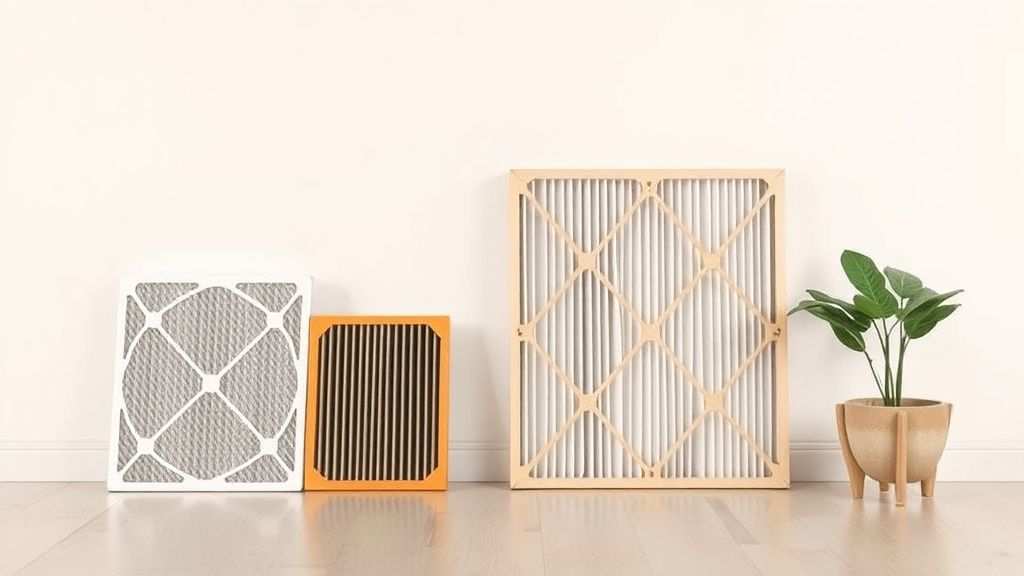
- Pleated vs. Flat Filters: Pleated filters have more surface area, capturing more particles without clogging as quickly as flat fiberglass filters.
- Electrostatic Filters: These use static charge to attract particles, offering better filtration with moderate airflow resistance.
- Washable Filters: Reusable filters may seem cost-effective, but improper maintenance can lead to mold growth and reduced efficiency.
The Energy Cost of a Dirty or Wrong Filter
Phone cases · Sponsored · 15% off first order
Phone Case Gift — They pick the model · 2 minutes Code FIRST15GIFT
A dirty filter forces your HVAC system to work harder, increasing energy consumption by up to 15%. Here’s how:
- Restricted Airflow – Reduced airflow makes the blower motor run longer to maintain temperature, raising electricity usage.
- Frozen Coils – Poor airflow can cause refrigerant coils to freeze, leading to costly repairs and inefficiency.
- Short Cycling – A struggling system may turn on and off more frequently, wasting energy.
Choosing the Right Filter for Energy Savings
What to Look For
- Check Your HVAC Manual: Some systems are designed for MERV 8, while others handle MERV 11-13. Using a higher MERV than recommended can strain the system.
- Balance Filtration and Airflow: If allergies are a concern, a MERV 8-11 pleated filter is often the best compromise.
- Change Filters Regularly: A clogged filter, even a high-quality one, will hurt efficiency. Replace every 1-3 months, depending on usage.
- Consider a Smart Thermostat: Pairing an efficient filter with a programmable thermostat can optimize runtime and reduce energy waste.
Additional Tips for Lowering Energy Bills
Phone cases · Sponsored · 15% off first order
Titan Case — Precision fit · 2,000+ designs Code FIRST15TIT
- Seal Air Leaks – Ensure ducts and windows are properly sealed to prevent conditioned air from escaping.
- Schedule HVAC Maintenance – Annual tune-ups keep the system running efficiently.
- Use a Standalone Air Purifier – If you need HEPA-level filtration, a dedicated purifier avoids overworking your HVAC.
Final Thoughts
Your air filter choice directly impacts energy bills. A well-maintained, properly selected filter keeps your HVAC system running smoothly, reduces strain, and saves money. Prioritize balance—better filtration shouldn’t come at the cost of efficiency. By understanding MERV ratings, filter types, and maintenance schedules, you can optimize both air quality and energy use.
Our picks worth a closer look
Phone cases · Sponsored · 15% off first order
Phone Cases For Charity — Every case supports a cause Code GIVE10- Filtrete 16x25x1 AC Furnace Air Filter, MPR 1000 MERV 11Check on Amazon → — see current price and specs.