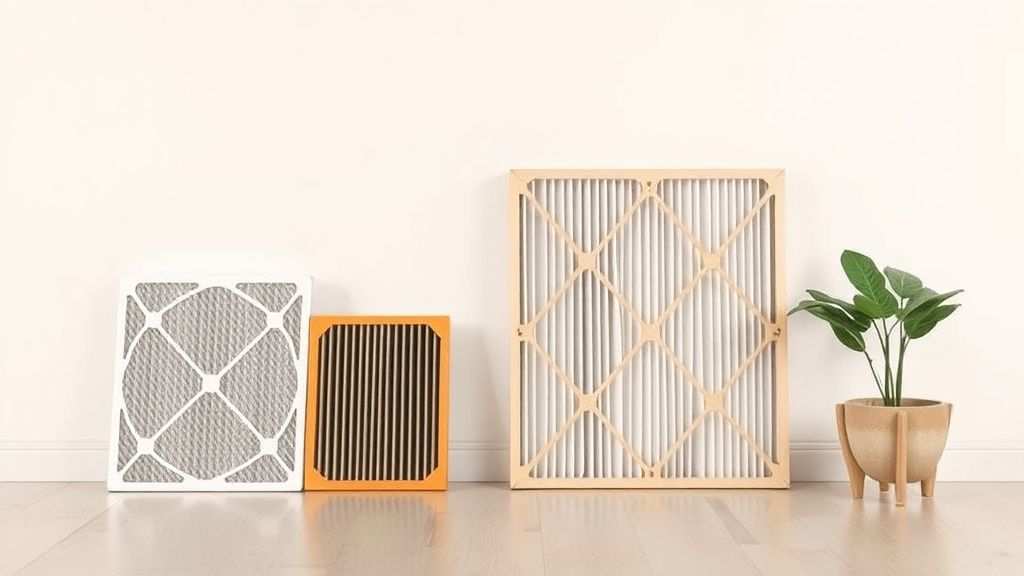
Understanding the Relationship Between Humidity and Air Filter Performance
How Humidity Affects Air Filter Efficiency
Humidity plays a significant role in how well your air filter performs. High moisture levels in the air can cause filters to become clogged more quickly, reducing airflow and straining your HVAC system. Conversely, low humidity may allow more particulate matter to remain airborne, bypassing the filter.
- Fiberglass Filters: These basic filters are less affected by humidity but offer minimal filtration (typically MERV 1-4). They may trap larger particles but struggle with fine dust or mold spores in humid conditions.
- Pleated Filters: With higher MERV ratings (8-13), these filters capture smaller particles but can become restrictive when damp, reducing airflow.
- HEPA Filters: While highly efficient (MERV 17+), they can retain moisture, leading to mold growth if not maintained properly.
Humidity’s Impact on Different Filter Types
Phone cases · Sponsored · 15% off first order
Phone Case Gift — They pick the model · 2 minutes Code FIRST15GIFT
Electrostatic Filters
These filters use static charge to attract particles. High humidity can reduce their effectiveness by dissipating the charge, making them less efficient at trapping dust and allergens.
Activated Carbon Filters
Common in air purifiers, these filters absorb odors and VOCs. Excess moisture can saturate the carbon, diminishing its ability to capture gases.
Washable Filters
Reusable filters may retain moisture after cleaning, promoting bacterial or mold growth if not thoroughly dried before reinstallation.
How HVAC Systems Respond to Humidity and Filter Changes
When humidity is high:
- Filters trap more moisture-laden particles, increasing resistance.
- Your HVAC system works harder, raising energy costs.
- Mold and bacteria growth on filters can degrade indoor air quality.
When humidity is low:
- Dust and allergens stay airborne longer, requiring higher MERV-rated filters.
- Static electricity increases, making electrostatic filters temporarily more effective.
What to Look for in a Filter for Humid Climates
Phone cases · Sponsored · 15% off first order
Titan Case — Precision fit · 2,000+ designs Code FIRST15TIT
If you live in a high-humidity area, consider these features:
- MERV 8-13 Pleated Filters: Balance filtration and airflow without excessive restriction.
- Hydrophobic Coatings: Some filters repel moisture to prevent clogging.
- Regular Replacement Schedule: Check filters monthly in humid conditions—they may need changing more often.
- Air Purifiers with Dehumidifiers: Combined units help manage moisture while filtering air.
Maintaining Filters in Variable Humidity
- Inspect Frequently: Look for dampness or mold growth.
- Use a Hygrometer: Monitor indoor humidity (ideally 30-50%).
- Upgrade HVAC Settings: Use “Fan Only” mode occasionally to circulate air without heating/cooling, reducing moisture buildup.
Final Thoughts
Phone cases · Sponsored · 15% off first order
Phone Cases For Charity — Every case supports a cause Code GIVE10Humidity directly influences how well your air filter performs. Choosing the right filter type and maintaining it properly ensures better air quality and HVAC efficiency. In humid climates, prioritize moisture-resistant filters and monitor them closely to prevent mold and restricted airflow. In dry climates, focus on higher MERV ratings to capture airborne particles effectively. By understanding this relationship, you can optimize your home’s air filtration system year-round.
Our picks worth a closer look
- Filtrete 16x25x1 AC Furnace Air Filter, MPR 1000 MERV 11Check on Amazon → — see current price and specs.
- GE MWF Refrigerator Water FilterCheck on Amazon → — see current price and specs.
- Amazon Basics AA Performance Alkaline Batteries, 48-CountCheck on Amazon → — see current price and specs.