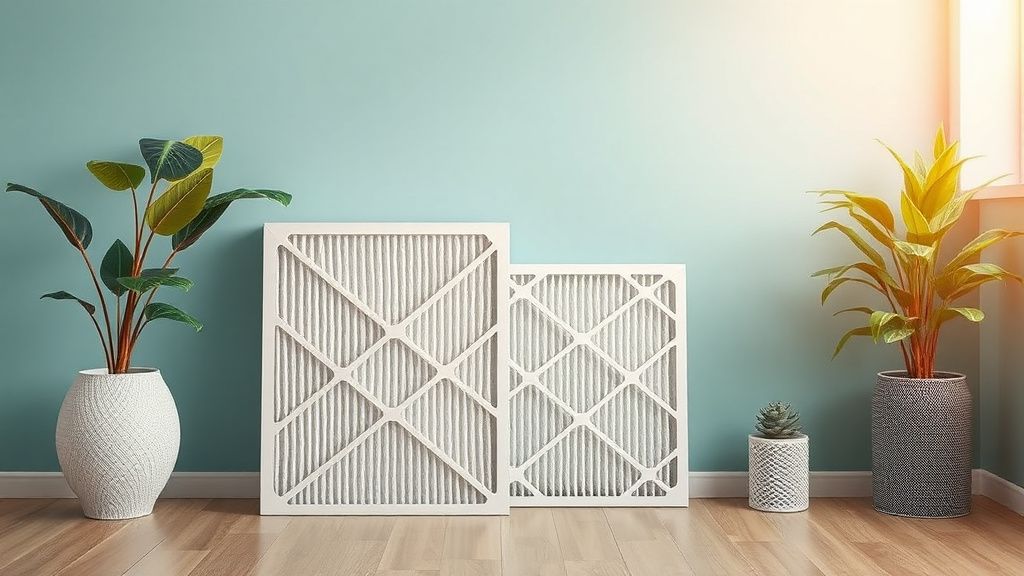
Understanding the Role of Air Filters in Smart Home Ecosystems
Smart home technology has revolutionized how we manage indoor air quality, making it easier than ever to monitor and improve the air we breathe. At the heart of this ecosystem are air filters—critical components in HVAC systems, furnaces, and standalone air purifiers. By understanding their role, homeowners can make informed decisions to enhance air quality, energy efficiency, and overall comfort.
How Air Filters Work in Smart Homes
Phone cases · Sponsored · 15% off first order
Phone Case Gift — They pick the model · 2 minutes Code FIRST15GIFT
Air filters trap airborne particles like dust, pollen, pet dander, and mold spores as air circulates through HVAC systems or purifiers. In smart homes, these filters often integrate with sensors and automation systems to provide real-time feedback on air quality, filter life, and system performance.
Smart HVAC systems may adjust fan speeds based on particulate levels, while connected air purifiers can activate automatically when pollutants are detected. Some advanced systems even sync with weather data to anticipate outdoor air quality changes and adjust filtration accordingly.
Types of Air Filters for Smart Homes
1. HVAC and Furnace Filters
These filters are installed in central heating and cooling systems, capturing particles before air is distributed throughout the home. Common types include:
- Fiberglass Filters: Low-cost, disposable filters with minimal filtration (MERV 1-4). Best for basic dust protection.
- Pleated Filters: Made from polyester or cotton, these offer better filtration (MERV 8-13) and are ideal for homes with pets or mild allergies.
- High-Efficiency Filters: Rated MERV 14+ or HEPA-equivalent, these capture fine particles like smoke and bacteria but may require system modifications to avoid airflow restriction.
2. Smart Air Purifiers
Standalone purifiers with Wi-Fi connectivity often feature:
- HEPA Filters: Remove 99.97% of particles as small as 0.3 microns.
- Activated Carbon Filters: Absorb odors, VOCs, and gases.
- UV-C Light: Kills bacteria and viruses (when paired with filtration).
Many models sync with apps to track air quality metrics (PM2.5, VOCs) and send filter replacement alerts.
3. Electrostatic and Washable Filters
Reusable options that use static charge to attract particles. While eco-friendly, they may lose efficiency over time and require frequent cleaning.
The Importance of MERV Ratings
Phone cases · Sponsored · 15% off first order
Titan Case — Precision fit · 2,000+ designs Code FIRST15TIT
MERV (Minimum Efficiency Reporting Value) rates filter effectiveness on a scale of 1–16. Higher MERV ratings indicate finer filtration but may reduce airflow if the HVAC system isn’t designed for them.
- MERV 6-8: Good for basic dust and pollen removal.
- MERV 9-12: Effective for smaller particles like mold spores.
- MERV 13+: Best for allergens, smoke, and bacteria (common in hospitals).
Smart HVAC systems can monitor pressure drops caused by high-MERV filters and alert users if airflow is compromised.
Smart Home Integration
Modern air filters often work with platforms like Google Home, Amazon Alexa, or Apple HomeKit, enabling voice control and automation. Features include:
- Real-Time Alerts: Notifications when filter replacement is needed.
- Air Quality Dashboards: Displays PM2.5, CO2, and humidity levels.
- Automated Scheduling: Adjusts filtration based on occupancy or time of day.
For example, a smart thermostat paired with a high-MERV filter can run the fan more frequently during peak allergy season, while an air purifier in the bedroom can activate “sleep mode” at night.
What to Look for in a Smart Air Filter
Phone cases · Sponsored · 15% off first order
Phone Cases For Charity — Every case supports a cause Code GIVE10When upgrading your home’s air filtration, consider:
- Compatibility: Ensure filters fit your HVAC system or purifier. Check dimensions and MERV limits.
- Smart Features: Look for Wi-Fi connectivity, app integration, and auto-alerts for filter changes.
- Filtration Needs: Choose HEPA for allergies, carbon for odors, or UV-C for germicidal protection.
- Energy Efficiency: High-MERV filters may strain older systems; consult an HVAC professional if unsure.
- Maintenance: Opt for filters with clear replacement indicators or washable options if you prefer sustainability.
Conclusion
Air filters are indispensable in smart home ecosystems, working silently to improve air quality while seamlessly integrating with connected devices. By selecting the right type—whether for HVAC systems, furnaces, or standalone purifiers—homeowners can achieve cleaner air, better health, and smarter automation. Regularly monitoring filter life and air quality data ensures optimal performance, making your home not just smarter, but healthier too.
Our picks worth a closer look
- Filtrete 16x25x1 AC Furnace Air Filter, MPR 1000 MERV 11Check on Amazon → — see current price and specs.