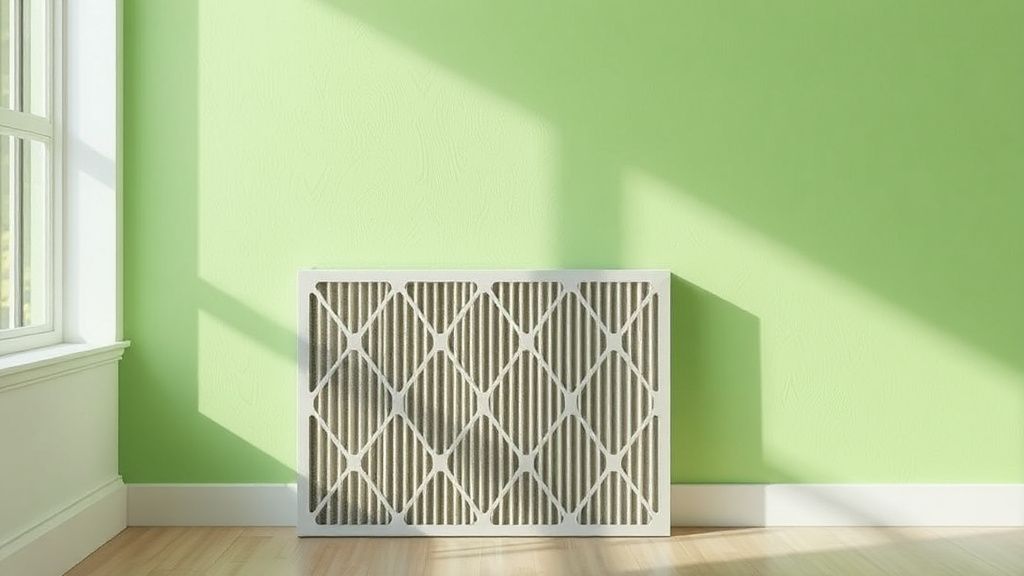
Why Air Filter Upgrades Matter
Your HVAC system’s air filter plays a critical role in maintaining indoor air quality and system efficiency. Over time, filters become clogged with dust, pollen, pet dander, and other airborne particles. If neglected, a dirty filter can strain your HVAC system, increase energy bills, and worsen allergies or respiratory issues. Knowing when to upgrade your air filter ensures cleaner air and optimal system performance.
Signs It’s Time to Replace or Upgrade Your Air Filter
Phone cases · Sponsored · 15% off first order
Phone Case Gift — They pick the model · 2 minutes Code FIRST15GIFT
1. Reduced Airflow from Vents
If you notice weak airflow from your vents, your filter may be clogged. A dirty filter restricts air movement, forcing your HVAC system to work harder. Check your filter and replace it if it appears gray or caked with debris. If airflow issues persist after replacement, consult an HVAC technician—there may be a deeper issue.
2. Increased Dust and Allergens
Excessive dust buildup on surfaces or worsening allergy symptoms (sneezing, congestion, itchy eyes) often indicate a failing filter. Standard fiberglass filters (MERV 1-4) trap large particles but let smaller allergens pass. Upgrading to a pleated filter (MERV 8-13) or a high-efficiency filter (MERV 13-16) can significantly reduce allergens.
3. Unusual HVAC System Noises
A struggling HVAC system may produce rattling or whistling sounds due to restricted airflow. If changing the filter doesn’t resolve the noise, your system may need maintenance.
4. Higher Energy Bills
A clogged filter forces your HVAC system to consume more energy to maintain temperature. If your energy bills spike unexpectedly, inspect your filter. Upgrading to a higher-MERV filter (if compatible with your system) can improve efficiency.
5. Visible Dirt or Damage
Hold your filter up to a light source. If you can’t see light through it, it’s time for a replacement. Also, check for tears or warping—damaged filters allow unfiltered air to bypass the system.
6. Frequent Filter Replacements
If you’re replacing your filter more often than recommended (e.g., monthly instead of every 3 months), consider upgrading to a longer-lasting filter, such as a pleated or electrostatic model.
7. Odors or Musty Smells
A dirty filter can trap odors from pets, cooking, or mold. If unpleasant smells linger, replace the filter. For persistent odors, pair a high-MERV filter with an air purifier containing activated carbon.
Types of Air Filters and When to Upgrade
Fiberglass Filters (MERV 1-4)
- Best for: Basic dust protection in low-traffic homes.
- Upgrade if: You have pets, allergies, or want better filtration.
Pleated Filters (MERV 8-13)
- Best for: Most households; balances filtration and airflow.
- Upgrade if: You need better allergen control (e.g., pollen, pet dander).
High-Efficiency Filters (MERV 13-16)
- Best for: Homes with severe allergies, asthma, or high pollution.
- Note: Check HVAC compatibility—some systems can’t handle high-MERV filters.
HEPA Filters
- Best for: Standalone air purifiers (not standard HVAC systems).
- Consider if: You need hospital-grade filtration for airborne particles.
Washable/Electrostatic Filters
- Best for: Eco-conscious homeowners willing to clean filters regularly.
- Upgrade if: You want reusable filtration but don’t mind maintenance.
What to Look for in a New Air Filter
Phone cases · Sponsored · 15% off first order
Titan Case — Precision fit · 2,000+ designs Code FIRST15TIT
- MERV Rating: Match the filter to your needs (higher MERV = finer filtration).
- Size: Check your HVAC system’s manual for the correct dimensions.
- Compatibility: Ensure your system can handle thicker or high-MERV filters.
- Lifespan: Some filters last 1-3 months; others (like HEPA) may last longer.
- Special Features: Look for antimicrobial coatings or carbon layers for odor control.
Final Tips for Maintaining Air Quality
- Check monthly: Inspect filters every 30 days, especially during peak usage seasons.
- Follow manufacturer guidelines: Replace filters as recommended (usually every 1-3 months).
- Consider smart monitors: Some HVAC systems or air purifiers alert you when filters need changing.
By recognizing these signs and choosing the right filter, you’ll improve air quality, extend your HVAC system’s lifespan, and breathe easier year-round.
Our picks worth a closer look
Phone cases · Sponsored · 15% off first order
Phone Cases For Charity — Every case supports a cause Code GIVE10- Filtrete 16x25x1 AC Furnace Air Filter, MPR 1000 MERV 11Check on Amazon → — see current price and specs.
- GE MWF Refrigerator Water FilterCheck on Amazon → — see current price and specs.