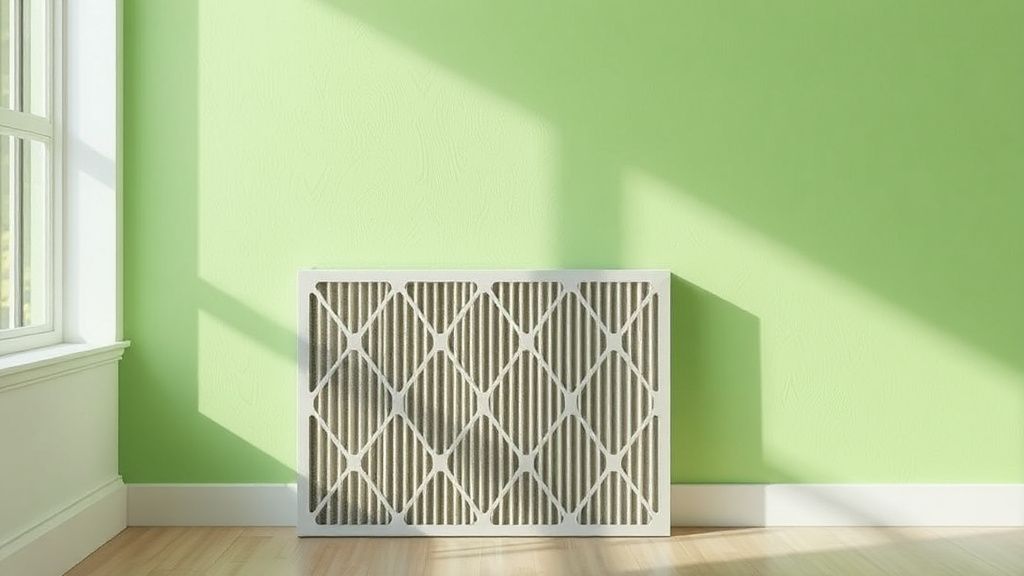
Why MERV Matters: Protecting Your Family from Airborne Pollutants
Indoor air quality is a critical yet often overlooked aspect of home health. With the average person spending about 90% of their time indoors, the air we breathe inside can significantly impact our well-being. Airborne pollutants like dust, pollen, pet dander, mold spores, and even viruses can circulate through your home’s HVAC system, exacerbating allergies, asthma, and other respiratory conditions. This is where MERV ratings come into play—helping you choose the right air filter to protect your family.
Understanding MERV Ratings
Phone cases · Sponsored · 15% off first order
Phone Case Gift — They pick the model · 2 minutes Code FIRST15GIFT
MERV (Minimum Efficiency Reporting Value) is a standardized scale that rates the effectiveness of air filters at trapping airborne particles. Ranging from MERV 1 to MERV 20, the higher the rating, the more efficient the filter is at capturing smaller particles.
- MERV 1–4: Basic filters that capture large particles like dust and lint. These are often found in disposable fiberglass filters but offer minimal protection against allergens.
- MERV 5–8: Mid-range filters that trap mold spores, pet dander, and larger pollen particles. These are common in residential HVAC systems.
- MERV 9–12: High-efficiency filters that capture smaller particles, including fine dust and some auto emissions. Ideal for households with allergy sufferers.
- MERV 13–16: Near-HEPA performance, capturing bacteria, smoke, and even some viruses. Often used in hospitals and cleanrooms but may require HVAC system adjustments due to restricted airflow.
- MERV 17–20: True HEPA-level filtration, used in specialized environments like laboratories. Rarely needed for residential use.
For most homes, a MERV 8–13 filter strikes the right balance between filtration efficiency and airflow compatibility.
How Airborne Pollutants Affect Your Health
Airborne contaminants can have both short-term and long-term health effects:
- Allergens (pollen, pet dander, dust mites): Trigger sneezing, congestion, and asthma attacks.
- Mold spores: Can cause respiratory irritation and worsen conditions like bronchitis.
- Bacteria and viruses: Circulate through the air, increasing the risk of illness.
- Smoke and VOCs (volatile organic compounds): Linked to headaches, dizziness, and long-term respiratory issues.
A high-quality air filter with an appropriate MERV rating can significantly reduce these risks by trapping harmful particles before they recirculate.
Choosing the Right Filter for Your HVAC System
Phone cases · Sponsored · 15% off first order
Titan Case — Precision fit · 2,000+ designs Code FIRST15TIT
Not all HVAC systems can handle high-MERV filters. Before upgrading, consider:
-
System Compatibility
- Higher MERV filters restrict airflow. If your system isn’t designed for it, you may strain the blower motor, reducing efficiency and increasing energy costs.
- Check your HVAC manual or consult an HVAC professional to determine the highest MERV rating your system can handle.
-
Filter Types
- Disposable fiberglass (MERV 1–4): Cheap but ineffective for allergens.
- Pleated polyester/cotton (MERV 5–13): More efficient, with a larger surface area for trapping particles.
- Electrostatic (MERV 8–10): Use static charge to attract particles; some are washable.
- HEPA (MERV 17+): Requires a dedicated air purifier or modified HVAC system.
-
Replacement Frequency
- Higher-MERV filters clog faster. Check them monthly and replace every 60–90 days (or sooner if dirty).
Supplementing with Air Purifiers
While HVAC filters clean air as it circulates, standalone air purifiers with True HEPA filters (equivalent to MERV 17+) can provide extra protection in high-traffic areas like bedrooms. Look for:
- CADR (Clean Air Delivery Rate): Indicates how quickly the purifier filters air.
- Activated carbon filters: Help remove odors and VOCs.
- UV-C light: Kills bacteria and viruses but should not replace filtration.
What to Look for in an Air Filter
Phone cases · Sponsored · 15% off first order
Phone Cases For Charity — Every case supports a cause Code GIVE10When shopping for an air filter, prioritize:
✔ MERV rating (8–13 for most homes)
✔ Compatibility with your HVAC system
✔ Pleated design for better particle capture
✔ Regular replacement schedule
If allergies or asthma are a concern, consider pairing a MERV 11–13 filter with a HEPA air purifier in key rooms for optimal protection.
Final Thoughts
Investing in the right air filter is a simple yet powerful way to improve indoor air quality and safeguard your family’s health. By understanding MERV ratings and selecting a filter that balances efficiency with your HVAC system’s capabilities, you can breathe easier knowing your home’s air is cleaner and safer. Regularly replacing filters and considering supplemental air purifiers will further enhance your efforts—keeping airborne pollutants at bay year-round.
Our picks worth a closer look
- Filtrete Healthy Living Ultra Allergen 16x25x1, MERV 13Check on Amazon → — see current price and specs.
- Filtrete 16x25x1 AC Furnace Air Filter, MPR 1000 MERV 11Check on Amazon → — see current price and specs.