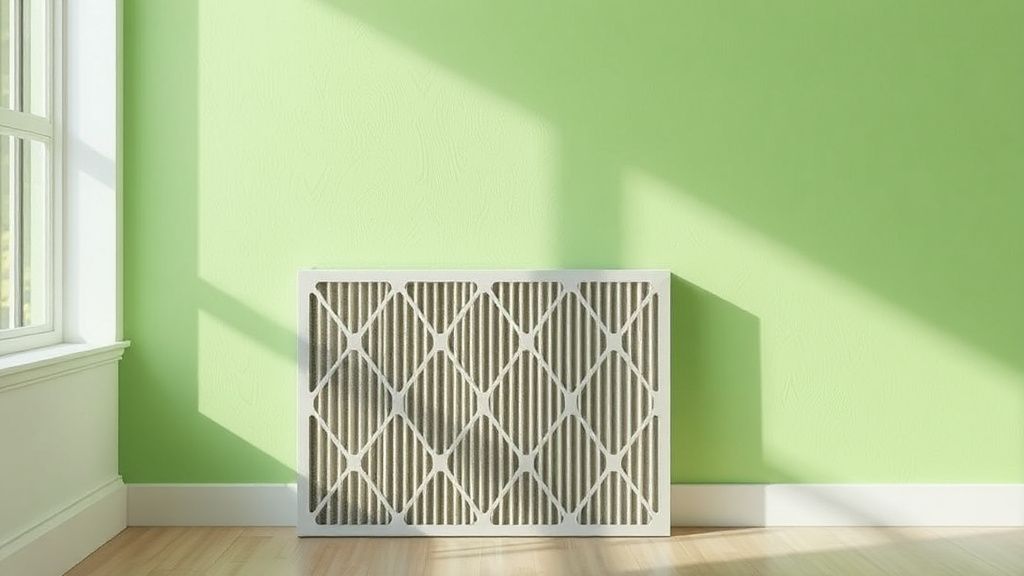
Understanding Air Filter Materials
The air filter in your HVAC system or air purifier plays a crucial role in maintaining indoor air quality. Different filter materials trap varying levels of dust, pollen, pet dander, and other airborne particles. Choosing the right material depends on your needs—whether you prioritize filtration efficiency, airflow, or longevity. Below, we break down the most common air filter materials, their pros and cons, and where they excel.
Fiberglass Filters
Phone cases · Sponsored · 15% off first order
Phone Case Gift — They pick the model · 2 minutes Code FIRST15GIFT
Fiberglass filters are the most basic and affordable option. Made from layered fiberglass fibers, they are designed to protect HVAC systems from large debris rather than improve air quality.
Key Features:
- Low MERV rating (1-4): Captures large particles like dust and lint but not fine pollutants.
- Disposable: Typically replaced every 30 days.
- Minimal airflow resistance: Ideal for older HVAC systems with weaker fans.
Best For:
- Budget-conscious homeowners.
- Systems where airflow restriction is a concern.
Pleated Polyester & Cotton Filters
Pleated filters use polyester or cotton media folded into ridges, increasing surface area for better particle capture. They offer a balance between efficiency and airflow.
Key Features:
- MERV 5-8: Traps smaller particles like mold spores and pet dander.
- Durable: Lasts 60-90 days, depending on usage.
- Better airflow than fiberglass: The pleats reduce resistance while improving filtration.
Best For:
- Homes with mild allergies or moderate dust levels.
- Systems needing better filtration without major HVAC strain.
Electrostatic Filters
Phone cases · Sponsored · 15% off first order
Titan Case — Precision fit · 2,000+ designs Code FIRST15TIT
Electrostatic filters use self-charging fibers (often synthetic) to attract and trap particles. They come in both disposable and washable versions.
Key Features:
- MERV 8-12: Effective against smoke, bacteria, and fine dust.
- Reusable option available: Washable models save long-term costs.
- Higher static pressure: May require a stronger HVAC blower.
Best For:
- Households with pets or smokers.
- Those willing to clean reusable filters regularly.
HEPA Filters
HEPA (High-Efficiency Particulate Air) filters are the gold standard for air purification, capturing 99.97% of particles as small as 0.3 microns.
Key Features:
- MERV 17+: Removes allergens, viruses, and ultrafine pollutants.
- Dense material: Can restrict airflow if not paired with a compatible HVAC system.
- Common in air purifiers: Standalone HEPA units are more practical for most homes.
Best For:
- Severe allergy or asthma sufferers.
- Hospitals, labs, or high-risk indoor environments.
Activated Carbon Filters
Phone cases · Sponsored · 15% off first order
Phone Cases For Charity — Every case supports a cause Code GIVE10These filters use carbon-treated media to adsorb odors, gases, and volatile organic compounds (VOCs). Often paired with other filter types for dual filtration.
Key Features:
- Not MERV-rated: Targets odors and chemicals, not particles.
- Short lifespan: Requires replacement every 3-6 months.
- Common in air purifiers: Used alongside HEPA for comprehensive cleaning.
Best For:
- Homes with cooking odors, smoke, or chemical fumes.
- Basements or areas prone to musty smells.
Synthetic Media Filters
Advanced synthetic filters (like polyester blends) offer high efficiency with low airflow resistance. Often used in commercial settings but available for residential use.
Key Features:
- MERV 11-13: Near-HEPA performance without heavy airflow loss.
- Long lifespan: Can last 6-12 months.
- More expensive upfront: Cost-effective over time.
Best For:
- Homes needing hospital-grade filtration without HVAC modifications.
- High-pollution areas or households with respiratory concerns.
What to Look for in an Air Filter
- MERV Rating: Match the filter to your needs—higher MERV means finer filtration but may strain weak HVAC systems.
- Airflow Compatibility: Check your system’s specs to avoid excessive static pressure.
- Replacement Frequency: Some materials last longer but cost more upfront.
- Allergen Concerns: Electrostatic or HEPA filters are best for allergy sufferers.
- Odor Control: Activated carbon is essential for smoke or chemical removal.
By understanding these materials, you can choose a filter that balances air quality, system health, and budget. Always consult your HVAC manual before upgrading to a higher-MERV filter to ensure compatibility.
Our picks worth a closer look
- Filtrete 16x25x1 AC Furnace Air Filter, MPR 1000 MERV 11Check on Amazon → — see current price and specs.
- GE MWF Refrigerator Water FilterCheck on Amazon → — see current price and specs.